Who's on the Mat?
As you begin your practice of Aikido you will quickly notice that you are not the only student on the mat! Depending on the day and class there may be only a few others, or the mat might be quite crowded. Regardless of how many are in attendance, Sensei will encourage you to train equally with every other student who is also participating in class that day. You might think it would be great if everyone on the mat was just like you — but in reality you need to learn how to successfully interact with all kinds of different people. Borrowing from the Star Trek universe, here is a field guide to help you navigate the species you might encounter!
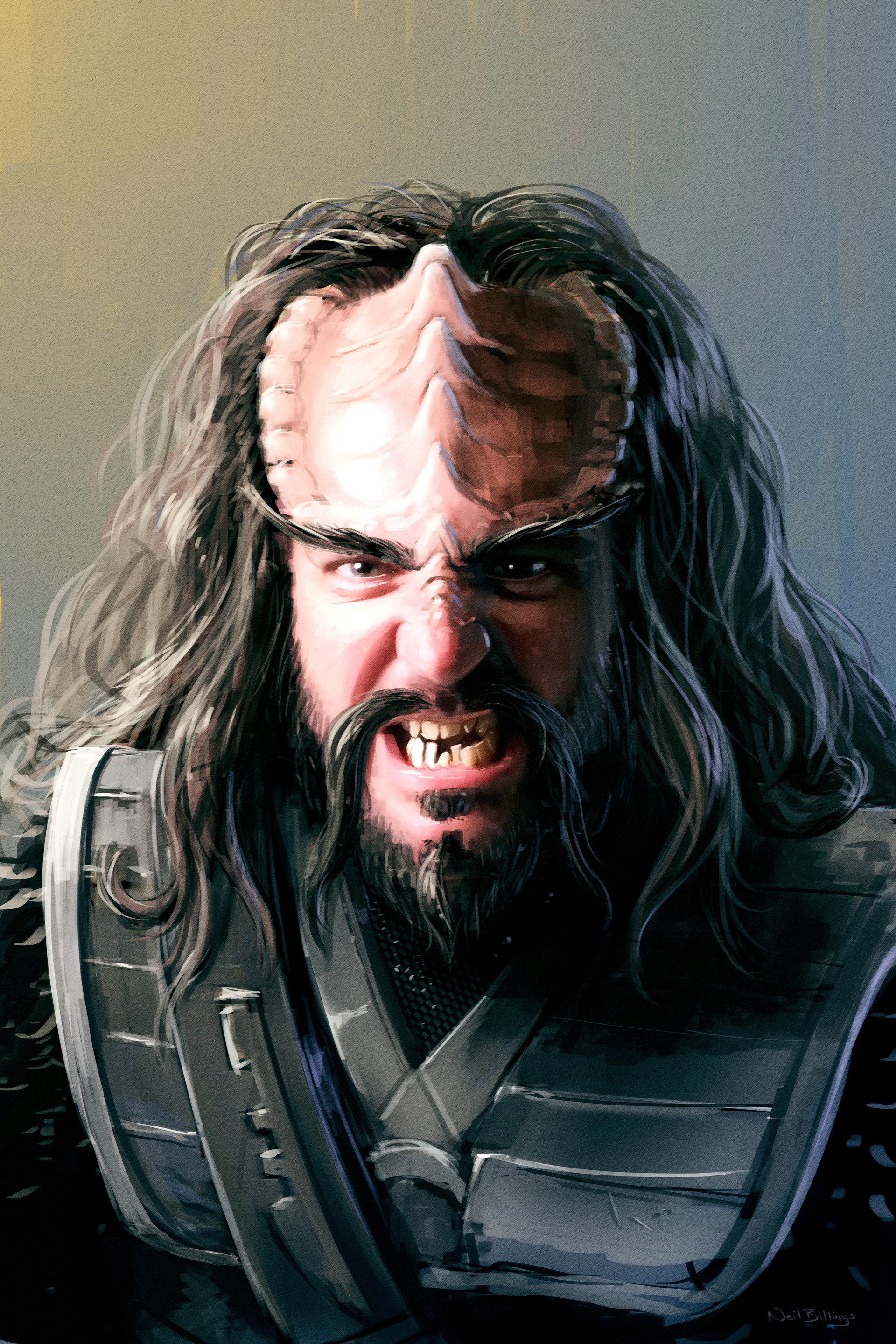
Klingon
(pronounced: Cling-On)
A fierce warrior who fancies themselves as impossible to defeat in battle — or, if they are defeated, guaranteed a place in the afterlife of Sto-vo-kor. Be careful about letting a Klingon get a hold of you (such as in Katate Tori attacks), as they will “cling on” and hold on for dear life (hence their name). If this happens, gently remind the Klingon that: (a) this is only practice, not ritual combat to the death, and (b) it is much easier for you to learn when you can move and perform the technique that Sensei demonstrated. Honor will be preserved!
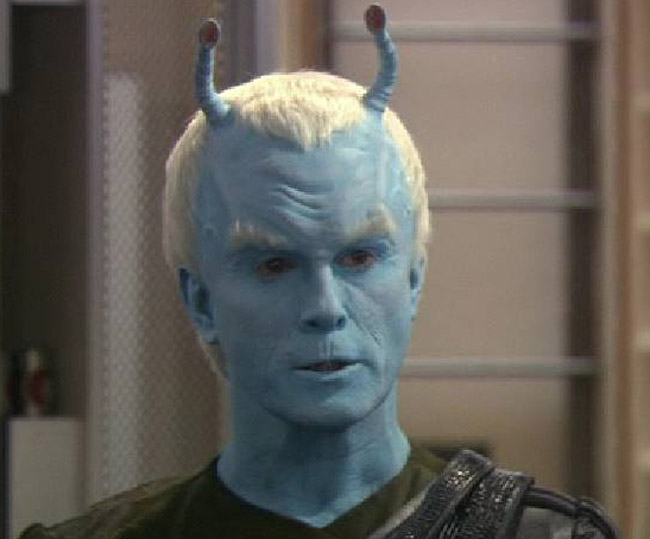
Andorian
(pronounced: And/Or-ian)
A race of blue-skinned people from a very cold and desolate planet. Andorians have a reputation for wanting to see every side — and then some — of all issues. When shown an attack and defense combination they will be the first to wonder: “Well, what if the person attacked this other way?” and “What if I turned like this instead?” and “How would I do this if I was wearing sneakers?” Working with an Andorian can be quite distracting, so try to remember to practice what Sensei has demonstrated and, for the time being, not worry about all the “ands” and “ors.”

Vulcan
(pronounced: Vul-Can)
Logical and emotionless. A Vulcan will seek the logical reason behind everything, including why another person might want to attack you. It is not uncommon to hear a Vulcan remark “The attacker would move thus-and-so, as this is the only logical place for them to be,” or “The attacker would not do this, as no other move is logical.” Unfortunately, physical conflict is — by its very nature — illogical, so don't worry about trying to out-think an attacker. Instead, stay in the here-and-now and you'll do fine!
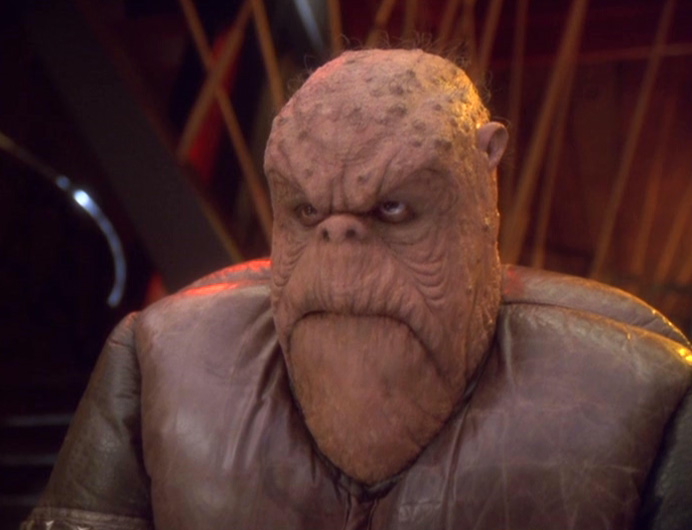
Morn
(pronounced: Morn)
The strong, silent type. Doesn't like to chit-chat on the mat — just wants to train. That's good; after all, that is why you come to class. The Morn have figured out that the more talking there is, the less training actually gets done. Don't be afraid to talk with a Morn, though — to introduce yourself, ask a question, seek clarification, and to say please and thank you. Even a Morn has been known to exchange pleasantries on occasion!
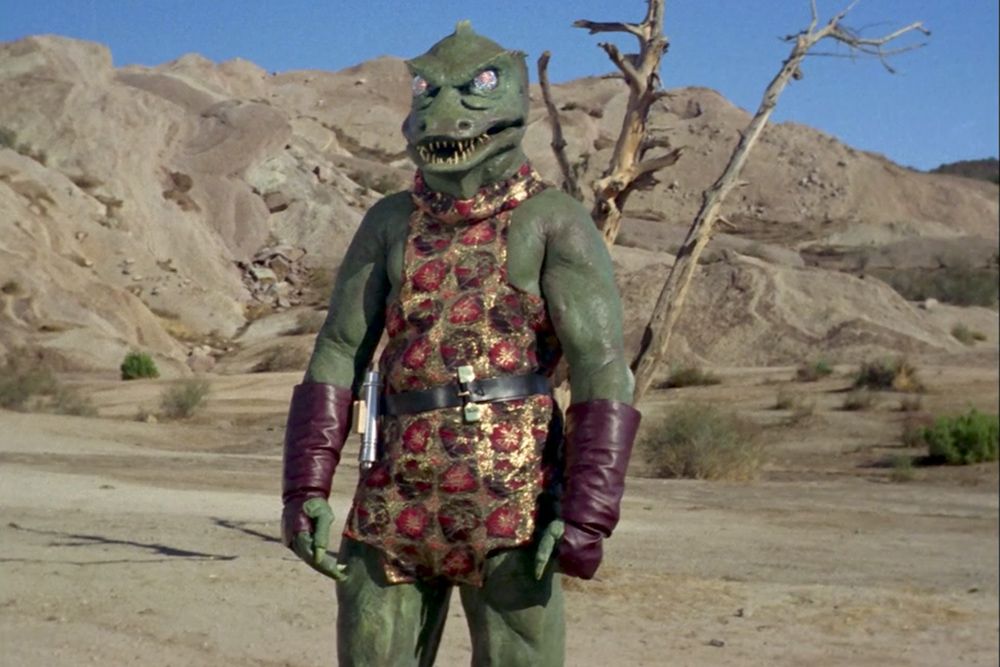
Gorn
(pronounced: Gorn)
The Gorn, similar to the Morn, don't talk much. In fact, without the use of a Universal Translator, most times all you will hear from a Gorn sounds like hissing (HSSSSSS!!). Don't worry — there is plenty of knowledge and intelligence behind those monosyllabic grunts. As with the Morn, try reaching out slowly and in a limited way. Keep mostly to training and less to talking, and you will find that over time you will begin to understand and appreciate the Gorn (or, at least, that is what the Metrons tell us).
Tamarian
(pronounced: Tah-Mah-rian)
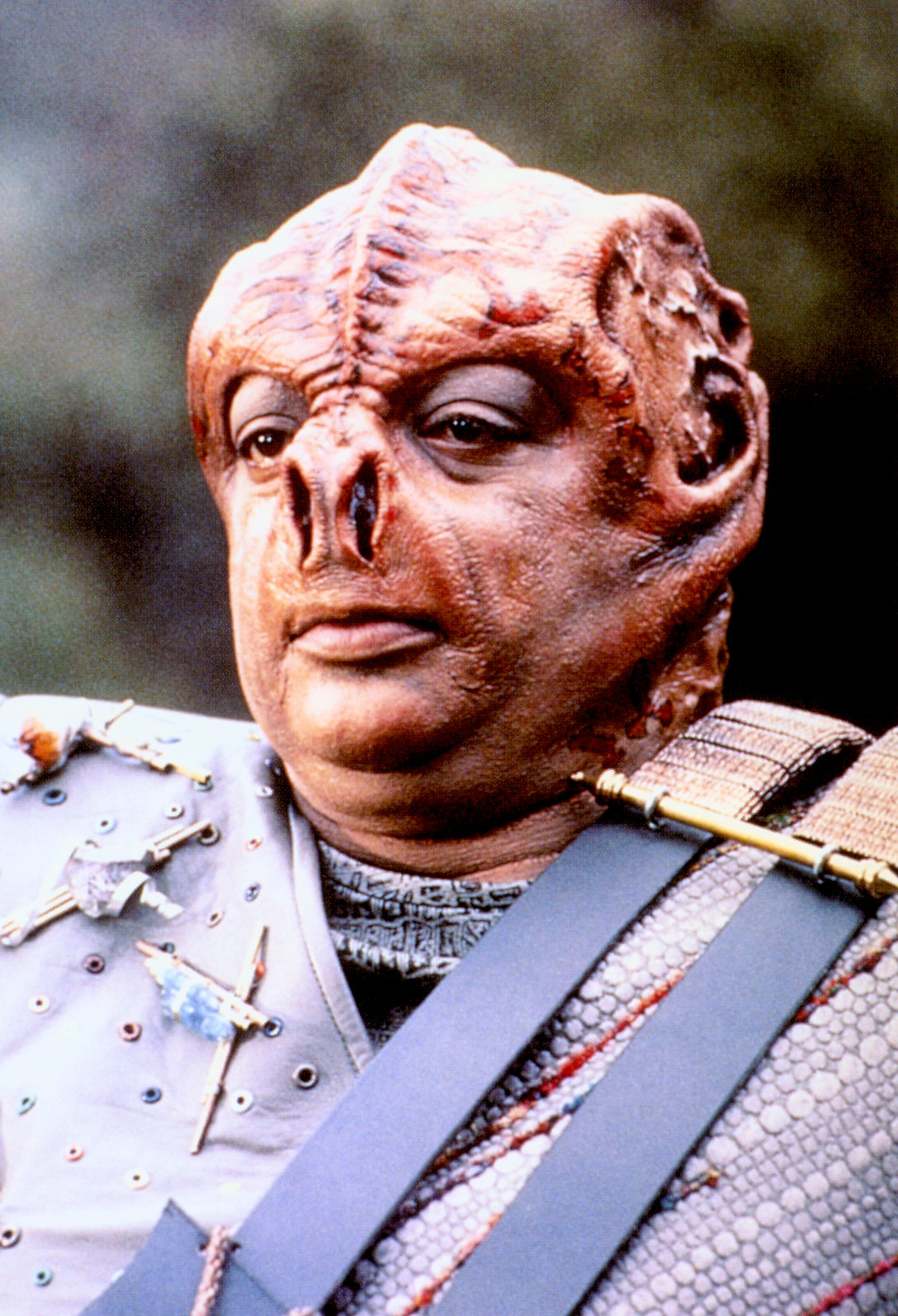
Another highly intelligent species. While the “Children of Tama” can be quite talkative, prior contact has shown they are often difficult to comprehend. You will hear and understand the words just fine, but the exact meaning may elude you (the Universal Translator is no help). This is because the Tamarians communicate only in metaphors, preferring to describe the underlying meaning through prior example and past reference rather than through physical descriptions. Tamarians practicing Aikido will often refer to “Ki,” “moving inside,” and “extending your power.” The best practice is just to go with the flow — the Tamarian's words might not make sense right away, but eventually — “Sokath, his eyes open!”
Salt Creature
(pronounced: Salt Cree-ture)
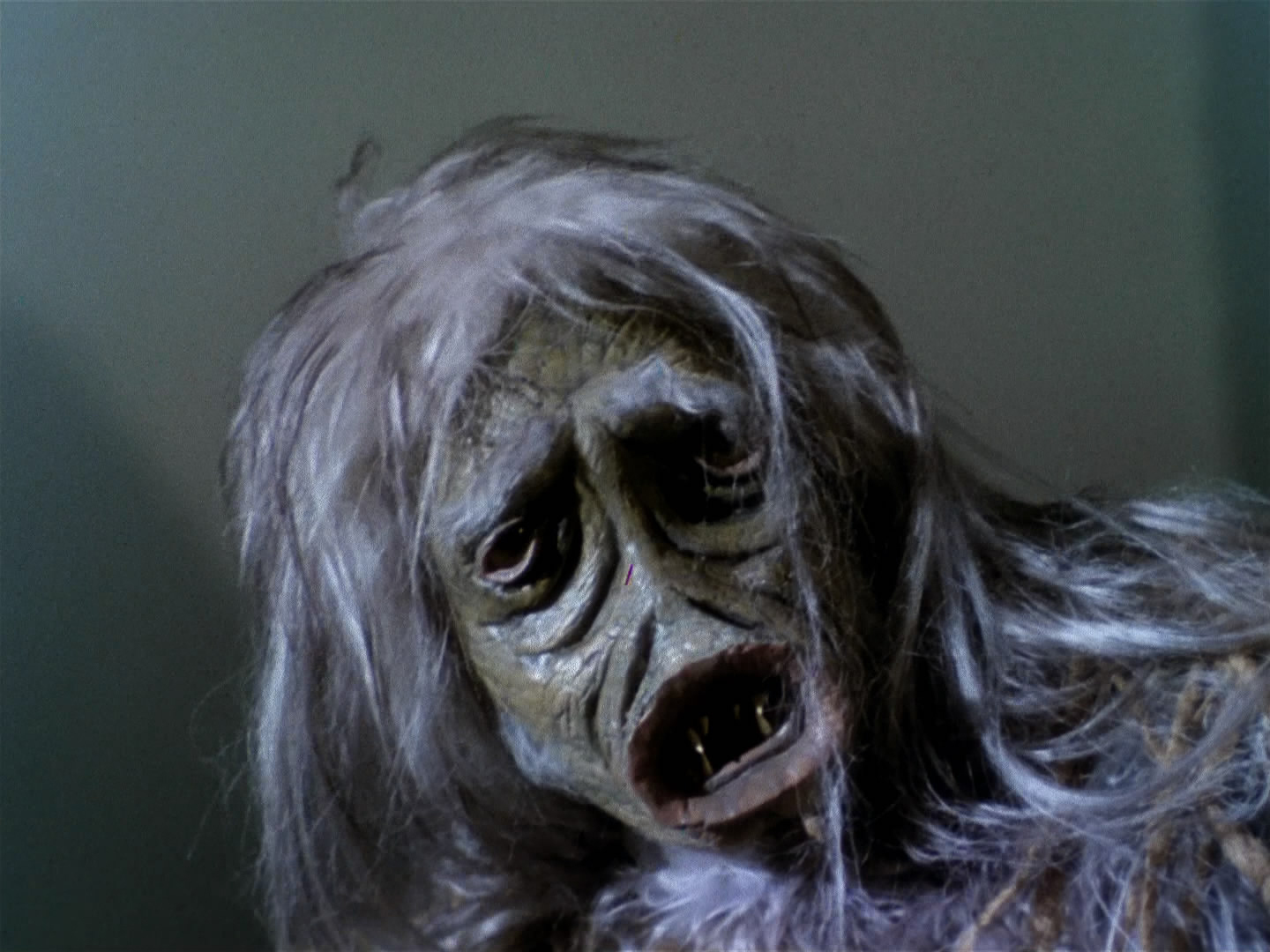
We believe this creature to be extinct — this photo was of the last of its kind. This being lived on salt it extracted from its victims, using the suction-cup ends of its many tentacles. Like the Klingon, the Salt Creature would like to attach to its partner and hang on, nourishing off the partner's vital energies. For a non-Star Trek reference, think of “Colin Robinson.” Your best plan was to maintain your distance and to keep moving, preventing it from attaining a firm hold. Distancing and moving — not a bad idea at any time!
Cardassian
(pronounced: Car-Das-ian)
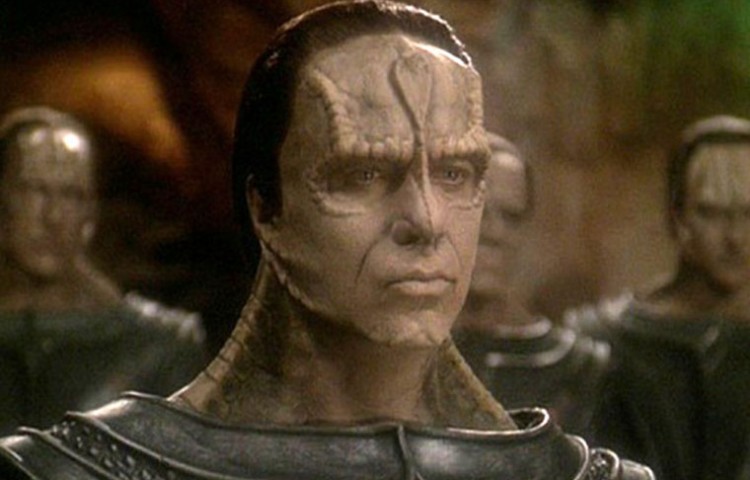
Cardassians are all about conquering: Bajorans, Klingons, shape shifters from the Dominion, whomever. It's almost as if a Cardassian is just not happy unless they are conquering and enslaving some other species. Luckily, Cardassians are easily distracted! Their quest for domination can be derailed by a focus on personal power. Unlike the Salt Creature, who you would not want to get too close to, engaging up close and personal with a Cardassian is just fine. Just don't let the Cardassian think you are afraid of them, and you'll do fine!
Borg
(pronounced: Borg)
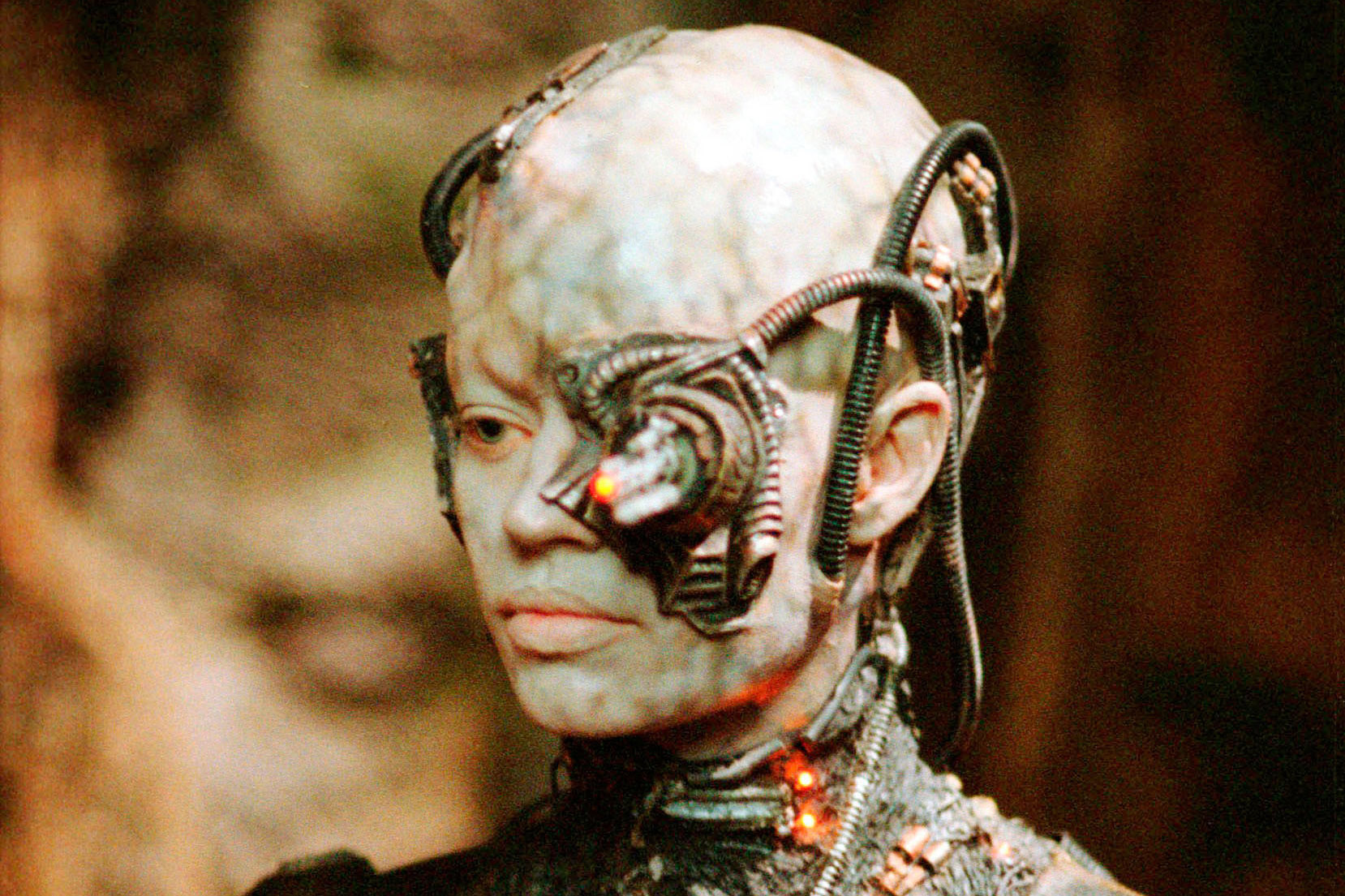
Speaking of being afraid … the main mission of all Borg is to assimilate you! A member of the Borg collective is often identified through their use of attached technologies, their near-continual reference to the latest and greatest, and their insistence that you should join the collective. It's kind of like Apple-heads on steroids! While all their personal tech is cute and quite useful, be sure to maintain your own identity. Use what you decide is best for you, and feel comfortable to reject the rest. You don't have to be a Borg drone (unless, of course, you want to)!

Q
(pronounced: Cue)
Q — as all members of the Q Continuum are collectively and individually known — live in their own dimension. They are omnipotent beings who, on occasion, deign to interact with the rest of us “lesser” species. Despite being all-knowing and all-powerful, Q can be quite annoying, having to be right in every circumstance and daring you to prove them wrong. Which you can't. Because they're Q. As Jean-Luc discovered, the best strategy for dealing with a Q is to simply ignore them (as much as is possible). Eventually they will tire of playing with you and move back into their own dimension — or on to another training partner.
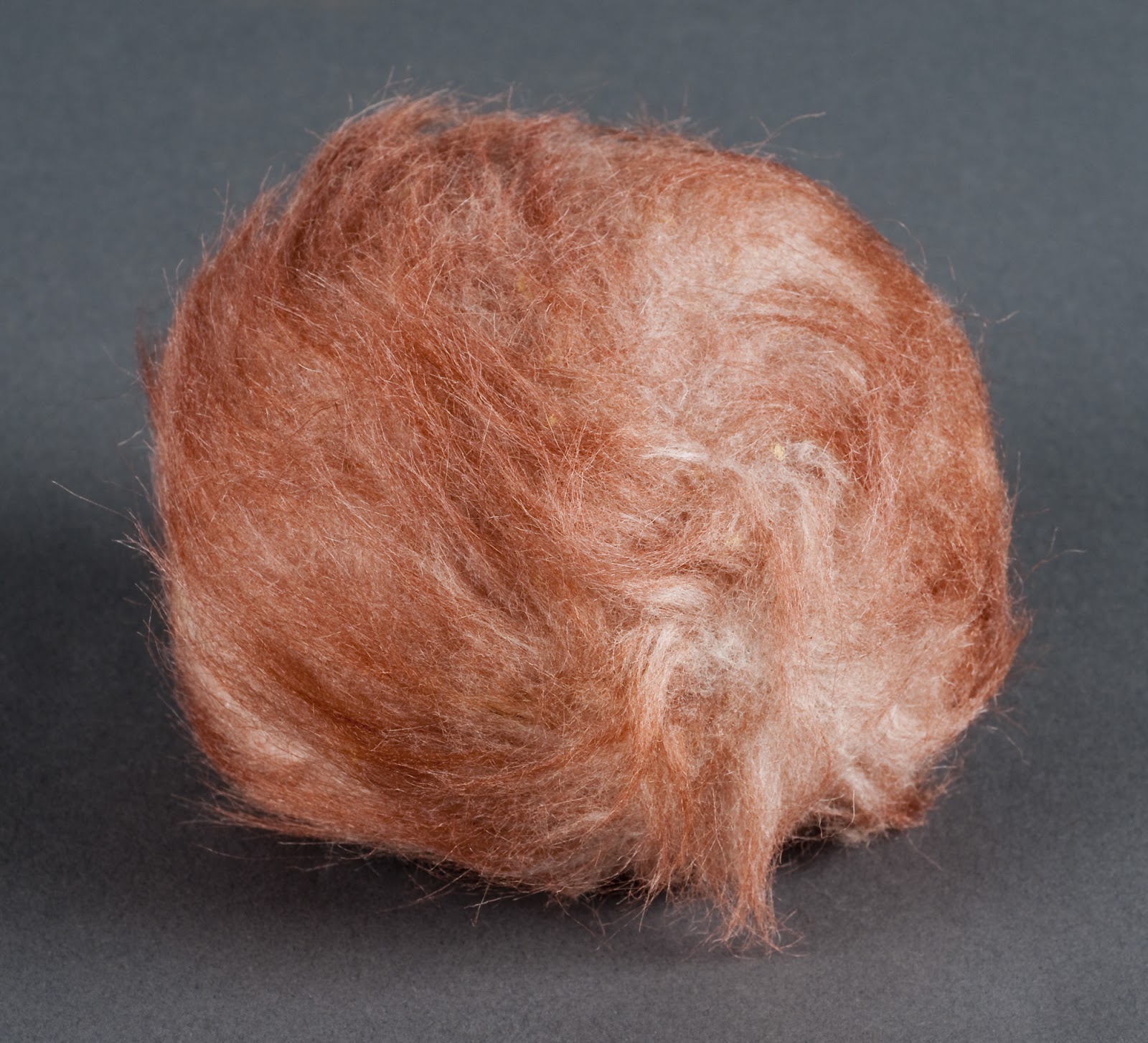
Tribble
(pronounced: Trib-bel)
Who could be afraid of a Tribble? They're cute! They're cuddly! They're warm and fuzzy! They purr like a cat, and are no threat to anything or anyone. The only problem is they eat. Everything. Constantly. And when they're not eating, they're making little Tribble babies. Tribbles are usually fun and easy to work with in class but, unless you are a grain of Quadrotriticale, you really have nothing to worry about in a physical conflict with a Tribble. To get good and realistic training you occasionally need to work with a Targ, though — so don't be afraid to train with a Tribble once in a while, and then move on. Someone else can take your place where “there'll be no Tribble at all!”